by | Oct 8, 2026 | Capital Gains Tax
Anyone selling a UK residential property usually needs to report the disposal to HMRC within 60 days of completion. The requirement applies even where the individual is not normally required to report Capital Gains Tax (CGT) through a tax return. Any CGT due must...
by | Sep 17, 2026 | Capital Gains Tax
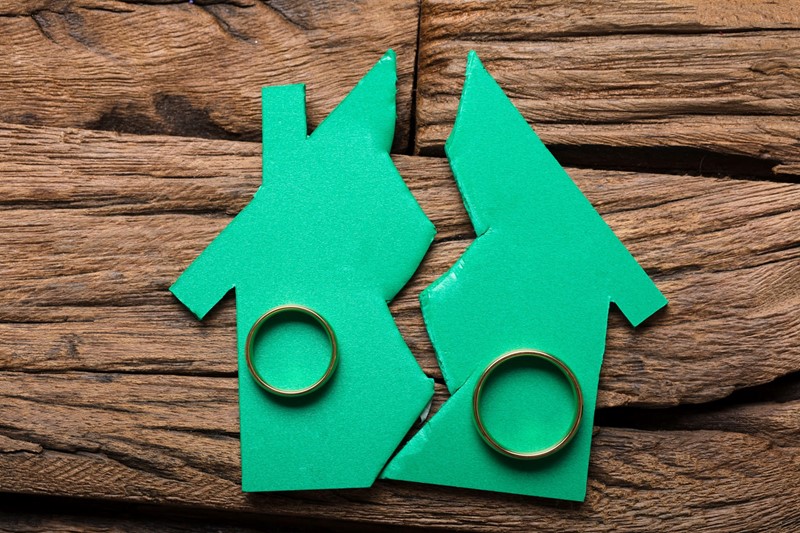
When a couple divorces or separates, they need to agree how their finances will be divided. This can include property, pensions, savings, investments and maintenance payments. Where possible, reaching an agreement without going to court can be quicker and less...
by | Aug 20, 2026 | Capital Gains Tax
When a sole trader or the partners in a partnership transfer a business to a limited company, Capital Gains Tax (CGT) may arise. This is because business assets are normally treated as being transferred at their market value, which may be considerably more than their...
by | Jul 16, 2026 | Capital Gains Tax
Married couples and civil partners are taxed separately for Capital Gains Tax (CGT), meaning each person has their own annual tax position. However, with careful planning, transferring assets between spouses or civil partners can sometimes help reduce their overall...
by | Jul 9, 2026 | Capital Gains Tax
If you are selling shares or other investments, you may incur Capital Gains Tax (CGT) on any profit, or 'gain', you make. You will need to work out your gain to determine if you need to pay tax, which depends on whether your total gains exceed your CGT...
by | Jun 18, 2026 | Capital Gains Tax
Capital Gains Tax (CGT) is a tax on the profit you make when you sell or dispose of an asset that has increased in value. It is the gain itself that is taxed, not the total amount you receive. For example, if you buy shares for £3,000 and sell them for...